Blocked drains are one of the most common drainage problems faced by homeowners, often beginning with slow-draining water, unpleasant odours or gurgling sounds before developing into more serious issues. Most blockages build up gradually as grease, food waste, hair and other debris accumulate inside pipework, although factors such as tree root intrusion, damaged drainage pipes and heavy rainfall can also restrict water flow.
In Keighley, older drainage systems and seasonal weather conditions can make properties more susceptible to blocked drains, making early intervention and regular maintenance particularly important.
Whether you’re dealing with a blocked kitchen sink, overflowing outside drain or recurring toilet blockage, understanding the most common causes can help you prevent future problems, protect your drainage system and avoid costly repairs.
Expert Insight: Many blocked drains are treated as isolated incidents, but recurring blockages often indicate a more significant issue within the drainage system. Identifying the underlying cause early can help prevent extensive pipe damage, emergency call-outs and expensive repairs while keeping your drainage system operating efficiently.
What is a Blocked Drain?
A blocked drain occurs when water can no longer flow freely through your drainage system because an obstruction is restricting or completely preventing the movement of wastewater. Blockages can occur within internal household pipework, underground drainage pipes or external surface water drains, affecting everything from sinks and toilets to showers, baths and outdoor gullies.
Although some blockages develop suddenly after an object becomes lodged inside a pipe, most household drainage problems build up gradually. Grease, food waste, soap residue, hair and other debris slowly collect on the inside of the pipework, reducing water flow until the drain eventually becomes blocked.
Regardless of where the blockage occurs, identifying the cause early helps prevent more serious drainage problems and costly repairs. Common warning signs include:
- Slow-draining sinks, showers or baths
- Water backing up into toilets or plugholes
- Gurgling sounds coming from drains
- Unpleasant smells around sinks or outside drains
- Overflowing gullies or standing water outside your property
- Recurring blockages affecting the same drain
While minor blockages may sometimes be cleared using simple household methods, recurring drainage problems often indicate a deeper issue that requires professional investigation.
Signs You May Have a Blocked Drain
Blocked drains rarely happen without warning. In most cases, your drainage system will show early signs that water flow is becoming restricted long before the drain becomes completely blocked.
Recognising these symptoms early can help prevent more serious drainage issues and reduce the likelihood of emergency repairs. You should consider arranging a professional drain inspection or drain unblocking service if you notice any of the following:
- Water draining slowly from sinks, baths or showers
- Toilets taking longer than normal to flush
- Gurgling noises coming from pipework after using water
- Persistent unpleasant odours from internal or external drains
- Water backing up into sinks, showers or toilets
- Overflowing inspection chambers or external gullies
- Damp patches or standing water around outdoor drainage areas
- Recurring blockages that return after being cleared
These symptoms often suggest more than a simple obstruction. Damaged pipework, tree root intrusion or structural defects can all restrict water flow and cause repeated drainage problems. Identifying the root cause early allows repairs to be carried out before more extensive damage develops.
Why Are Blocked Drains Common in Keighley?
Many properties throughout Keighley rely on drainage systems that have been in place for decades. While these systems often continue to perform well, ageing pipework naturally becomes more susceptible to cracks, displaced joints and general wear, creating conditions where debris can accumulate more easily.
Older homes throughout Keighley may still contain original clay or cast iron drainage pipes. Compared with modern plastic drainage systems, these materials are generally more vulnerable to structural movement, corrosion and tree root intrusion. Even small defects can gradually restrict water flow, allowing grease, debris and waste to build up inside the pipework.
Keighley’s varied landscape can also contribute to drainage issues. Heavy rainfall, falling leaves, moss, soil movement and nearby tree roots may all affect external drainage systems, particularly during autumn and winter when outdoor drains are more likely to become obstructed.
Regular maintenance and early intervention can help prevent these problems from developing into major blockages or costly drainage repairs.
The Most Common Causes of Blocked Drains in Keighley Homes
Understanding what causes blocked drains is one of the most effective ways to prevent future drainage problems. While some causes are easily avoided through good household habits, others develop beneath the surface and require professional diagnosis to identify accurately.
Hair and Soap Residue in Bathroom Drains
Hair is one of the leading causes of bathroom drain blockages. As hair washes down sinks, showers and baths, it combines with soap residue, shampoo and other bathroom products to form dense clumps inside the pipework.
Over time, these deposits continue to grow, reducing water flow and eventually causing complete blockages. Because soap residue also hardens on the inside of pipes, it provides an ideal surface for additional debris to collect. Using drain covers and regularly removing trapped hair can significantly reduce the likelihood of bathroom drain blockages.
Fats, Oils and Grease in Kitchen Sinks
One of the most common causes of kitchen drain blockages is pouring fats, oils and grease down the sink. Although grease may appear harmless while hot, it quickly cools and solidifies inside the drainage system. As it hardens, it sticks to the pipe walls and traps food particles, gradually reducing the diameter of the pipe until water can no longer pass through efficiently.
Even small amounts of grease disposed of regularly can eventually create significant blockages that require professional drain cleaning.
Food Waste and Kitchen Debris
Many homeowners unintentionally contribute to blocked drains by washing food waste into the sink. Common problem items include:
- Coffee grounds
- Rice
- Pasta
- Vegetable peelings
- Eggshells
- Tea leaves
- Flour
- Starchy foods
These materials often swell when exposed to water or combine with grease deposits inside the pipework, increasing the likelihood of persistent blockages. Installing a sink strainer and disposing of food waste in household bins rather than down the sink can help protect your drainage system.
Flushable Wipes and Sanitary Products
Despite being labelled as “flushable”, most wipes do not break down in the same way as toilet paper. Instead, they remain largely intact as they travel through the drainage system, where they can become caught on pipe joints, tree roots or existing debris.
Sanitary products, cotton buds, nappies and paper towels create similar problems. Because these materials are designed to absorb moisture rather than dissolve, they can quickly accumulate inside pipework and cause stubborn blockages that are difficult to remove without professional equipment.
To help prevent toilet blockages, only flush toilet paper and human waste. Everything else should be disposed of in a household waste bin.
Foreign Objects Accidentally Entering Drains
Household drains are designed to carry wastewater, not solid objects. However, small items can easily find their way into sinks, toilets and external drains, particularly in family homes. Common examples include:
- Children’s toys
- Jewellery
- Bottle caps
- Cleaning cloths
- Plastic packaging
- Cotton buds
- Dental floss
Even if these objects do not cause an immediate blockage, they often become trapped inside the drainage system where they collect grease, food waste and other debris, eventually restricting water flow. Attempting to remove lodged objects without the correct equipment can sometimes push the obstruction further into the drainage system or damage the pipework.
Tree Root Intrusion
Tree roots are one of the most common causes of recurring drainage problems, particularly around older properties.
Roots naturally seek moisture and can enter underground drains through tiny cracks, displaced joints or ageing pipework. Once inside the drainage system, they continue to grow, trapping leaves, grease, paper and other debris until the drain becomes partially or completely blocked.
Because root intrusion usually develops underground, many homeowners remain unaware of the problem until recurring blockages begin to occur. If left untreated, tree roots can eventually crack or collapse drainage pipes, resulting in more extensive damage and costly repairs.
A professional CCTV drain survey can accurately identify tree root intrusion and determine whether root cutting, drain lining or pipe replacement is the most appropriate solution.
Structural Damage to Drainage Pipes
Not every blocked drain is caused by waste build-up. In some cases, the blockage is actually the result of damaged underground pipework. Common structural issues include:
- Cracked drainage pipes
- Collapsed sections of pipe
- Displaced joints
- Corrosion in older metal pipework
- Ground movement affecting pipe alignment
When pipework becomes damaged, wastewater can no longer flow efficiently through the drainage system. Debris gradually collects around the damaged area, leading to repeated blockages that continue to return even after the drain has been cleared.
Unlike simple obstructions, structural drainage defects usually require professional drain repairs to permanently resolve the problem.
Heavy Rainfall and Outdoor Debris
External drainage systems are continually exposed to the weather, making them particularly vulnerable to seasonal blockages.
During periods of heavy rainfall, leaves, moss, soil and garden debris can wash into gullies and surface water drains, restricting the flow of rainwater. If these materials are not removed, they may eventually cause overflowing drains and localised flooding around the property.
Properties surrounded by mature trees are often at greater risk during autumn, when falling leaves can quickly accumulate over drain covers and inspection chambers.
Routine maintenance before autumn and winter can significantly reduce the risk of seasonal drain blockages and help keep external drainage systems operating efficiently throughout the year.
How Blocked Drains Can Affect Your Home
Although a blocked drain may initially seem like a minor inconvenience, ignoring the problem can allow it to develop into a much more serious and expensive issue.
As blockages worsen, water may begin backing up into sinks, toilets and showers, increasing the risk of flooding, unpleasant odours and damage to flooring or surrounding fixtures. Persistent standing water can also create damp conditions that encourage mould growth and reduce indoor air quality.
Where underground pipework has been damaged, continued water leakage may affect surrounding soil, potentially leading to subsidence or structural problems if left unresolved for a prolonged period.
Blocked drains may also create hygiene concerns by allowing wastewater and bacteria to accumulate around the property, making prompt action essential whenever drainage problems occur.
DIY Drain Unblocking vs Professional Drain Unblocking
Many minor blockages can be improved using simple household methods. However, if the blockage keeps returning or affects multiple drains, professional investigation is usually required to identify the underlying cause.
DIY Methods | Professional Drain Unblocking |
Suitable for minor blockages | Suitable for simple and complex drainage problems |
May temporarily improve drainage | Identifies and removes the underlying cause |
Uses plungers or hot water | Uses professional drain jetting equipment |
Cannot inspect underground drains | CCTV drain surveys locate hidden defects |
Limited success with recurring blockages | Long-term solution for recurring drainage issues |
While DIY methods may restore water flow temporarily, they rarely address structural drainage problems such as collapsed pipes or tree root intrusion. If DIY methods fail or blockages continue to return, repeated attempts to clear the drain without identifying the underlying cause may allow the problem to worsen.
Professional drainage engineers use specialist equipment to accurately diagnose the issue and recommend the most effective long-term solution.
How Professionals Diagnose Blocked Drains
While some drain blockages can be identified through visible symptoms, recurring or persistent drainage problems often require specialist equipment to determine the underlying cause accurately. Rather than relying on guesswork, professional drainage engineers use advanced diagnostic methods to locate blockages, assess the condition of the drainage system and recommend the most effective long-term solution.
CCTV Drain Surveys
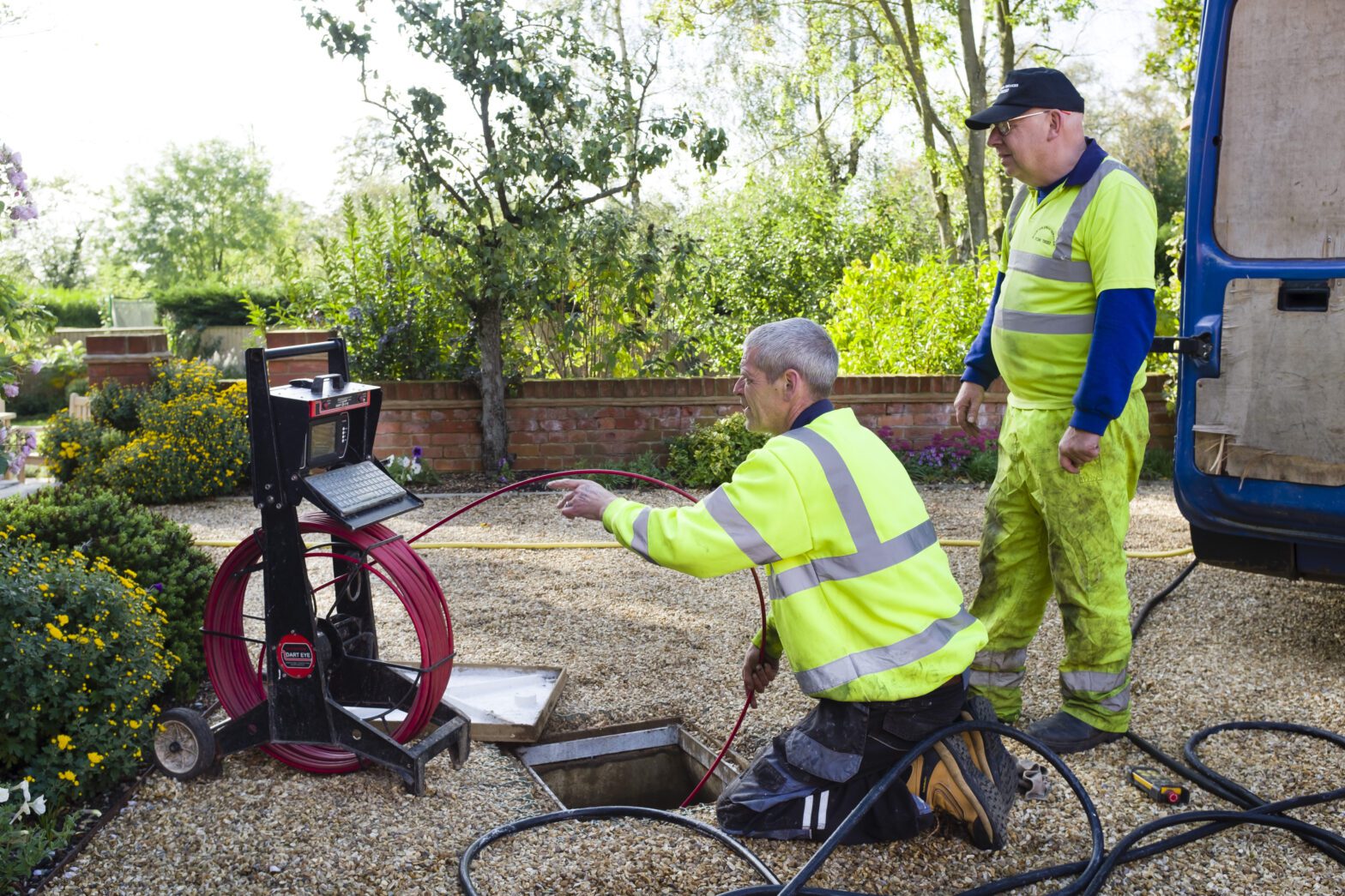
A CCTV drain survey involves inserting a specialist waterproof camera into the drainage system to inspect the inside of underground pipework. Live video footage allows engineers to identify blockages, tree root intrusion, cracked pipes, displaced joints and other hidden defects without the need for excavation.
CCTV inspections are particularly valuable when blockages repeatedly return, multiple drains are affected or there is concern about damaged underground drainage. By identifying the exact cause of the problem, repairs can be planned accurately while avoiding unnecessary disruption to your property.
High-Pressure Drain Jetting
High-pressure water jetting is one of the most effective methods of clearing stubborn drain blockages. Powerful jets of water remove grease, fat, food waste, scale, silt and other debris while thoroughly cleaning the inside of the pipework.
Unlike temporary household solutions, professional drain jetting restores the internal diameter of the pipe, helping improve water flow and reducing the likelihood of future blockages.
Drain Tracing and Inspection
Where necessary, drainage specialists can trace underground pipework to locate damaged sections, collapsed drains or incorrectly connected drainage systems. This enables repairs to be accurately planned while minimising unnecessary excavation.
By combining CCTV technology with professional inspection techniques, drainage engineers can accurately diagnose the problem and recommend the most appropriate solution, helping homeowners avoid unnecessary repair costs.
When Does a Blocked Drain Need Professional Repair?
Not every blocked drain requires repair. Many blockages are simply caused by grease, food waste, hair or other debris that can be safely removed using professional drain cleaning equipment.
However, if drainage problems continue to return, there may be an underlying structural defect within the drainage system that requires specialist attention. Professional drain repairs may be recommended if a CCTV drain survey identifies structural defects within the drainage system, including:
- Cracked or fractured drainage pipes
- Collapsed sections of pipework
- Displaced or misaligned pipe joints
- Severe tree root intrusion
- Corroded or deteriorating drainage pipes
- Ground movement affecting underground pipework
Ignoring these issues can result in recurring blockages, water leaks and increasingly expensive repairs over time.
Modern repair techniques, including no-dig drain lining, can often restore damaged drainage pipes without extensive excavation, providing a faster, less disruptive and more cost-effective solution than traditional replacement methods.
How to Prevent Future Blocked Drains
Although not every drainage problem can be avoided, adopting a few simple habits can significantly reduce the risk of blocked drains developing in the future. To help keep your drainage system operating efficiently:
- Never pour fats, oils or grease down kitchen sinks.
- Dispose of food waste in household bins rather than washing it into drains.
- Use drain covers to catch hair and larger debris.
- Only flush toilet paper and human waste.
- Avoid flushing wipes, sanitary products, cotton buds and other non-flushable items.
- Regularly remove leaves, moss and garden debris from external drains and gullies.
- Avoid planting large trees close to underground drainage pipes where possible.
- Arrange professional drain maintenance if your property has experienced recurring drainage problems.
Properties with older drainage systems may also benefit from periodic CCTV drain surveys to identify developing issues before they become costly repairs. Preventative maintenance is often far more cost-effective than dealing with emergency drainage failures, helping extend the lifespan of your drainage system while reducing the likelihood of unexpected disruption.
Why Choose TCM Draincare for Blocked Drains in Keighley?
Choosing the right drainage specialist is just as important as clearing the blockage itself. An experienced team can accurately diagnose the underlying cause, explain the findings clearly and recommend the most appropriate solution rather than simply treating the symptoms.
With more than 25 years of experience, TCM Draincare has built a trusted reputation for providing professional drain unblocking and drainage services throughout Keighley and the surrounding areas. As a family-run business, we pride ourselves on delivering honest advice, reliable workmanship and practical drainage solutions tailored to each customer’s needs.
Using professional high-pressure water jetting equipment and advanced iTouch Live CCTV camera technology, we investigate drainage problems thoroughly before recommending the most effective solution. Whether you’re dealing with a blocked kitchen sink, overflowing outside drain, recurring toilet blockage or damaged underground pipework, we provide fast, reliable and cost-effective drainage services that help restore your drainage system while reducing the risk of future problems.
Final Thoughts
Blocked drains rarely develop overnight. In many cases, they are the result of gradual build-ups or hidden drainage defects that worsen over time if left untreated.
Recognising the early warning signs and addressing drainage problems promptly can help prevent unnecessary disruption, protect your property and avoid expensive repair work in the future. Whether you’re dealing with a slow-draining sink, recurring toilet blockage or an overflowing outside drain, professional diagnosis ensures the underlying cause is identified and resolved correctly.
At TCM Draincare, we’ve been helping homeowners and businesses across Keighley with reliable drainage solutions for more than 25 years. Using professional drain cleaning equipment, advanced CCTV inspections and extensive local expertise, we provide effective drain unblocking, drain repairs and preventative maintenance tailored to your property’s needs.
If you’re experiencing blocked drains in Keighley or the surrounding areas, contact TCM Draincare today for expert advice and a professional drainage solution.
Frequently Asked Questions
What are the early signs of a blocked drain?
Slow-draining sinks, baths or showers, unpleasant odours, gurgling noises, overflowing outside drains and water backing up into toilets or plugholes are all common early warning signs of a blocked drain. Addressing these symptoms promptly can help prevent more serious drainage problems.
What is the most common cause of blocked drains?
Household drain blockages are most commonly caused by fats, oils and grease, hair, soap residue, food waste and wipes. Over time, these materials build up inside the pipework, restricting water flow and eventually causing blockages.
Can I unblock a drain myself?
Minor blockages can sometimes be cleared using hot water, a plunger or by removing visible debris from the plughole. However, recurring or stubborn blockages often require professional equipment to remove safely and effectively.
When is a CCTV drain survey needed?
A CCTV drain survey is recommended when blockages repeatedly return, multiple drains are affected or there is concern about damaged underground pipework. The inspection allows drainage engineers to accurately identify hidden defects without excavation.
Can blocked drains damage my property?
Yes. If left untreated, blocked drains can lead to flooding, unpleasant odours, damp, mould growth and, in some cases, structural damage caused by leaking or collapsed drainage pipes.
When should I call a professional drainage specialist?
You should contact a professional drainage specialist if blockages keep returning, multiple drains become blocked at the same time, water is backing up into your property or DIY methods have been unsuccessful. A professional inspection can identify the underlying cause and help prevent more extensive drainage problems and costly repairs.