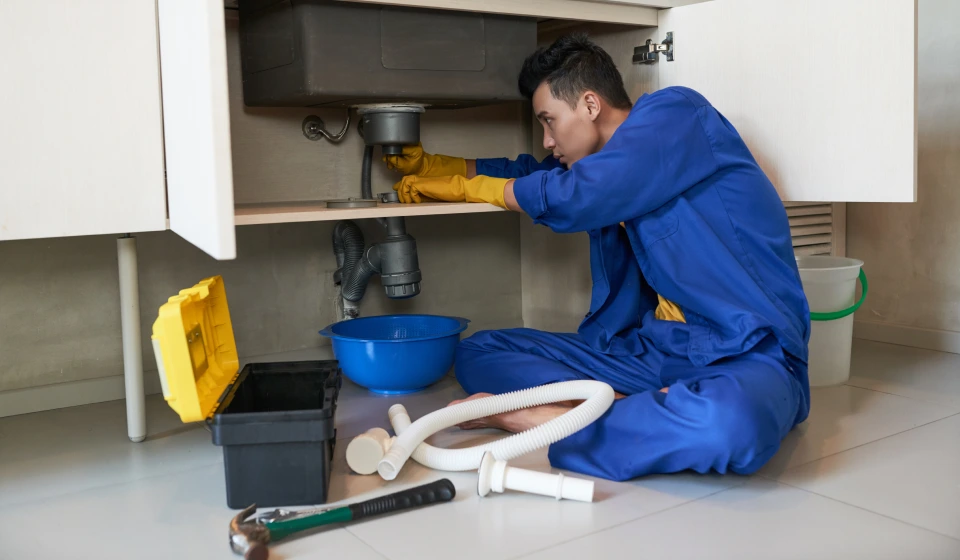
A blocked drain can quickly become a serious household problem, especially when wastewater overflows or sewage backs up into your home. These situations can disrupt everyday activities, create unpleasant conditions and potentially damage your property if left unresolved.
Knowing when to seek emergency drain unblocking services and what precautions to take can help you manage the situation safely. Taking the right steps early can also help limit damage while you arrange professional assistance.
What Are the Signs of an Emergency Drain Blockage?
Not every blocked drain requires urgent attention, but certain warning signs may indicate a serious drainage problem. These include:
- Sewage backing up into sinks, toilets or showers: Wastewater returning through household fixtures may indicate a significant obstruction in the drainage system.
- Wastewater overflowing from external drains: Water escaping from outside drains can suggest that wastewater cannot flow away properly.
- Several drains becoming blocked at the same time: When multiple fixtures are affected, the problem may be located in a shared drainage pipe rather than an individual fixture.
- Standing wastewater creating a risk of flooding or contamination: Wastewater collecting around your property can damage surrounding areas and expose occupants to harmful bacteria.
Recognising these signs early can help you determine whether an emergency drain blockage requires immediate professional attention.
What Should You Do When a Drain Becomes Blocked?
If you are dealing with a serious drain blockage, there are several steps you can take to reduce the risk of further problems.
Stop Using Water and Affected Fixtures
Avoid running taps, flushing toilets or using appliances that discharge water into the affected drainage system. Continuing to use these fixtures may cause wastewater to back up and overflow. If several drains are affected, limit water use throughout the property until the problem is assessed.
Keep Children and Pets Away From Wastewater
Sewage and contaminated water can contain harmful microorganisms. Keep children and pets away from affected areas and avoid direct contact with wastewater. If you need to enter the area, take appropriate precautions and avoid touching contaminated surfaces unnecessarily.
Protect Your Home From Further Water Damage
If it is safe to do so, move furniture, rugs and electrical belongings away from affected areas. You can also use towels to help contain small amounts of water, provided it is safe to do so. Avoid entering flooded areas where electrical equipment or sockets may be exposed to water.
Contact a Professional Emergency Drainage Service
If wastewater continues backing up or the blockage affects multiple fixtures, contact a qualified drainage specialist. Explain where the problem is occurring, which fixtures are affected and whether flooding is present. This information can help the specialist understand the urgency and prepare for the required work.
What Should You Avoid During a Drainage Emergency?
Certain DIY approaches can make serious drainage problems worse or introduce additional safety risks. Avoid the following:
- Using chemical drain cleaners on a severe blockage: Strong chemicals may remain trapped in blocked pipes, creating risks for anyone attempting further clearance.
- Repeatedly flushing a blocked toilet: Additional flushing can cause contaminated water to overflow onto bathroom floors.
- Forcing unsuitable tools into pipes: Improvised equipment may damage pipework or push obstructions further into the drainage system.
- Attempting to dismantle damaged drainage pipework yourself: Opening compromised pipes without suitable equipment can cause leaks, release wastewater or worsen existing damage.
How Can a Professional Drainage Company Resolve an Emergency?
Professional emergency drainage services can help locate the problem, clear the blockage and identify any damage that needs attention.
Identifying the Cause of the Blockage
Drainage specialists begin by assessing the affected system and locating the likely obstruction. Depending on the circumstances, they may use CCTV drain inspection equipment to investigate problems inside the pipes, particularly when damage or recurring blockages are suspected.
Clearing Blocked Drains With Professional Equipment
Once the obstruction is identified, specialists can select an appropriate clearance method. Techniques such as drain rodding or high-pressure water jetting may be used to remove accumulated debris, grease, silt or other suitable obstructions. The chosen method depends on the blockage and condition of the pipework.
Repairing Damaged or Collapsed Drain Pipes
Some drainage emergencies result from cracked, displaced or collapsed pipes rather than ordinary debris build-up. If the pipework is damaged, professional drain repairs may be needed to get wastewater flowing properly again. Specialists can assess whether targeted repairs, drain lining or pipe replacement is appropriate.
Final Thoughts
Dealing with a serious drain blockage requires quick action and sensible precautions. Limiting water use, avoiding unsafe DIY methods and seeking professional help can reduce the risk of further damage.
With over 25 years of experience, TCM Draincare provides emergency drain repairs, blockage clearance and drainage investigations across Bradford, Halifax, Keighley and surrounding areas. If you need urgent help with a drainage problem, contact the team.
Frequently Asked Questions
Can a blocked drain clear itself?
A minor obstruction may occasionally move on its own, but serious blockages rarely resolve reliably without intervention. Persistent backups or overflowing wastewater should be professionally assessed.
Who is responsible for a blocked drain in a rented property?
Landlords are generally responsible for maintaining drainage installations, while tenants may be responsible for blockages caused by misuse. If the blockage affects a public sewer, the water company is usually responsible.
How long does it usually take to clear a blocked drain?
The time required depends on the blockage’s location, severity and underlying cause. Straightforward obstructions may be cleared relatively quickly, while damaged pipes or complex problems can require further investigation.
Can heavy rainfall cause a drainage emergency?
Yes. Heavy rainfall can overwhelm drainage systems, particularly when existing obstructions restrict water flow. This may result in overflowing drains or localised flooding.
When is a CCTV drain survey needed after a blockage?
A CCTV survey may be recommended when blockages repeatedly return, the cause remains unclear or damaged pipework is suspected. It allows specialists to examine internal pipe conditions without immediately excavating the affected area.